
Global warming and the energy crisis are two of the most pressing issues facing our planet today. Fossil fuels—such as coal, petroleum, and natural gas—have powered human development for centuries, but their use comes at a heavy environmental cost.
These resources are finite and release large amounts of carbon dioxide, contributing to climate change. In search of cleaner, more sustainable energy, many innovators are turning to natural waste to briquettes technology and natural material briquette production as eco-friendly alternatives.
What is Natural Waste to Briquettes
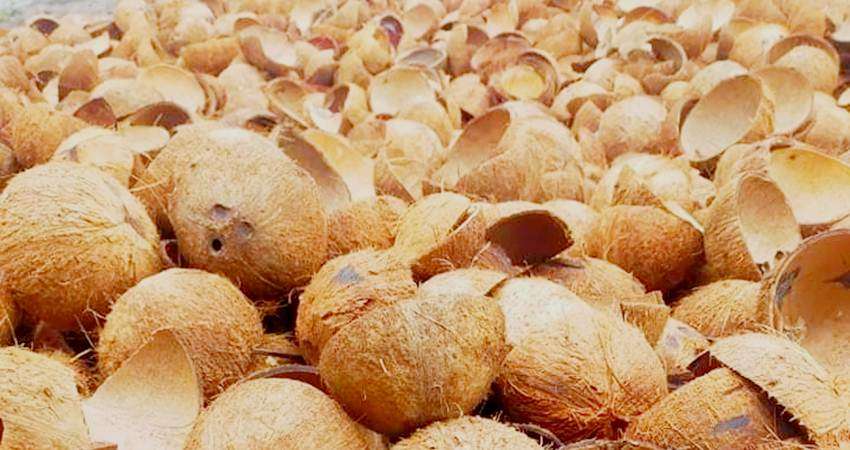
Natural waste to briquettes refers to the process of converting organic waste, particularly agricultural residues, into compressed fuel blocks known as briquettes. Materials such as rice husks, sawdust, coconut shells, peanut shells, sugarcane bagasse, and even coffee husks are ideal for this process.
Rather than letting these materials rot or burning them in the open—both of which can cause pollution—they are repurposed into an efficient, low-emission energy source. This method not only helps reduce waste but also provides an affordable, renewable alternative to fossil fuels.
By applying natural material briquette production techniques, communities can transform agricultural by-products into a valuable commodity that supports both environmental sustainability and local economic growth.
How Briquettes Are Made from Natural Waste
The process of making briquettes from natural waste is relatively simple:
-
Collection and Drying – Organic waste is collected and dried to reduce moisture content.
-
Grinding – The dried material is crushed into small particles.
-
Mixing with Binder – A natural binder such as starch is added.
-
Compression – The mixture is pressed into cylindrical or cube-shaped briquettes.
-
Final Drying – Briquettes are dried again to ensure optimal burning performance.
Advantages of Natural Waste to Briquettes
One of the main benefits of natural waste to briquettes is its ability to reduce the volume of organic waste. In many rural areas, agricultural residues are often burned openly, causing air pollution. Turning them into briquettes ensures proper waste management and creates economic value.
Other key benefits include:
- Lower Carbon Emissions compared to fossil fuels.
- High Energy Content, especially with optimal drying.
- Cost-Effective Fuel for households, small industries, and restaurants.
Economic and Environmental Impact
On the environmental side, using briquettes helps protect forests by reducing the need for firewood. It also aligns with the principles of a circular economy, ensuring that waste resources are reused and repurposed to extend their lifecycle to the fullest.
From an economic perspective, rural communities can benefit greatly. By adopting natural waste to briquettes production, farmers can turn what was once discarded into a valuable product, selling it locally to households, restaurants, and even industries.
In regions with high agricultural activity, briquette production can become a sustainable business model. It not only provides affordable energy but also creates jobs for collection, processing, and distribution.
Conclusion
Natural waste to briquettes is more than just an alternative fuel—it is a practical solution to two major challenges: waste management and clean energy production. With the right support from governments, communities, private investors, and sustainable energy innovators like Jacoid, this technology could play a major role in reducing our dependence on fossil fuels while improving rural livelihoods.
In the long term, widespread adoption of briquettes could contribute to a cleaner atmosphere, healthier communities, and a more sustainable planet.